The 3PL Guide to Building a Profitable Reverse Logistics Service Line
For third-party logistics providers, returns processing is no longer a cost of doing business. It is the fastest path to winning, keeping, and expanding e-commerce accounts. The 3PLs pulling ahead in 2026 are the ones that stopped treating reverse logistics as an add-on and started building it as a standalone, margin-rich service line.
Why 3PL Returns Management Is the Competitive Battleground
E-commerce return rates now average between 20 and 30 percent, and for apparel and footwear the number climbs past 40 percent. For every brand a 3PL supports, returns represent a meaningful share of total volume, and an outsized share of total cost. Brands are no longer shopping 3PLs on outbound pick-and-pack rates alone. They are asking pointed questions about reverse flow: how fast can a return be received, inspected, and restocked, and how much of the recovered value flows back to the brand.
3PLs that can answer those questions with data win the business. Those that treat returns as an afterthought lose it, often to competitors that built the capability deliberately.
The Four Capabilities Brands Are Actually Buying
When an e-commerce brand evaluates a 3PL's returns program, four capabilities separate the contenders from the incumbents. First, speed of disposition: how many hours or days from dock arrival to a decision on restock, refurbish, liquidate, or dispose. Second, disposition intelligence: whether the 3PL can apply brand-specific business rules at the item level rather than defaulting to a single lane. Third, data transparency: real-time visibility into return reasons, condition grades, and recovered value, delivered in a format the brand's finance and merchandising teams can actually use. Fourth, recovery economics: the percentage of returned inventory that generates revenue rather than becoming write-off.
A 3PL that can quantify all four in a sales conversation is negotiating from strength. One that cannot is negotiating on price.
Turning Returns Into a Standalone P&L
The strategic shift is to stop pricing returns as a bundled discount off outbound rates and start pricing them as a distinct service with its own margin structure. Per-unit inspection fees, tiered disposition pricing, storage-and-hold charges for pending decisions, and value-add services like photography, relisting, and refurbishment can each be priced separately. When returns are structured this way, the operation becomes visible on its own P&L, and the investments needed to make it excellent, staffing, technology, layout, become defensible business cases rather than overhead line items.
Facility Design Is the Multiplier
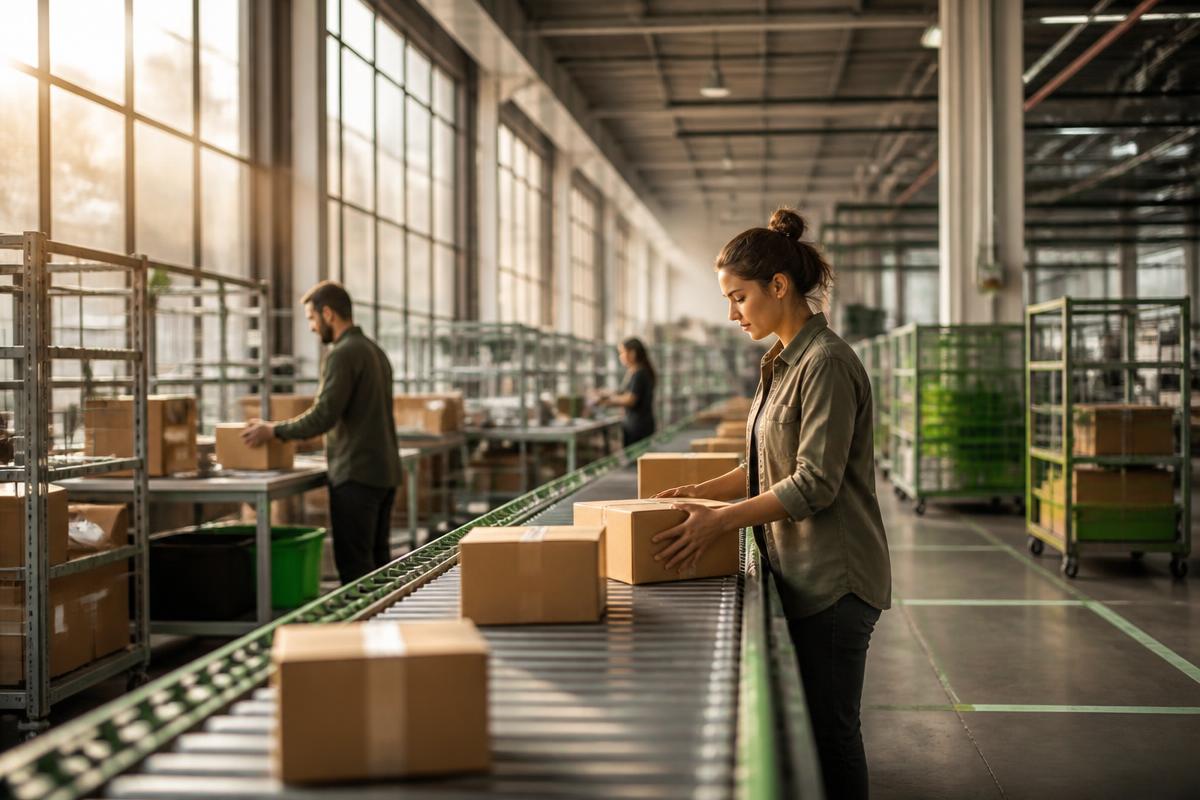
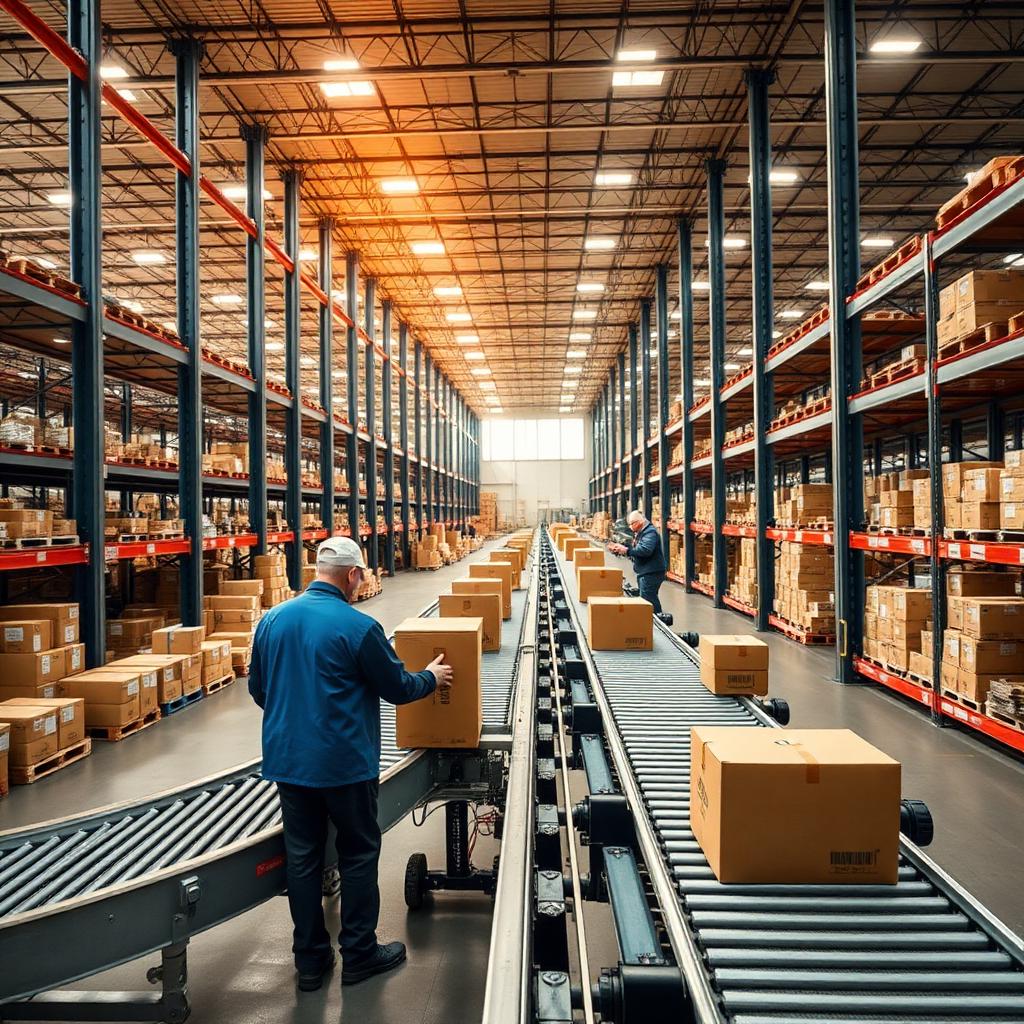
The single most underinvested lever in 3PL returns operations is the physical layout of the facility itself. Most 3PLs shoehorn returns processing into corners of their outbound operations, which forces inefficient workflows, slow disposition, and constant congestion during peak returns seasons. A purpose-designed returns area, with dedicated receiving, inspection stations, disposition lanes, and value-recovery workflows, can double throughput on the same headcount. For 3PLs pricing returns as a service line, that throughput gain converts directly to margin.
This is where consulting-led facility design pays for itself in the first year of operation, not the third.
Technology Choices That Matter
The technology decisions that make or break a 3PL returns line are less about buying platforms and more about integration discipline. Return authorization data from the brand's storefront, condition grading captured at inspection, disposition decisions logged to the WMS, and recovered-value data pushed back to the brand's finance system all need to move without human retyping. When those handoffs are clean, the 3PL can offer real-time reporting that brands will pay a premium for. When they are not, the operation drowns in spreadsheets and the service line stalls.
The Consulting Angle 3PLs Actually Need
Most 3PL operators know their outbound business cold. They know cube utilization, pick rates, and dock scheduling. Reverse logistics is a different discipline, and it rewards different expertise. The 3PLs building the most profitable returns lines are the ones that brought in reverse logistics strategy help early, on the service design, the pricing model, the facility layout, and the technology integration plan, rather than trying to reverse-engineer the capability from outbound operations experience.
The prize is significant. A 3PL that builds a differentiated returns service line does not just win incremental revenue. It wins the anchor accounts that other 3PLs cannot serve, and it locks them in with switching costs that pure outbound providers cannot match. In the 2026 e-commerce logistics market, that is the difference between defending a commodity book of business and building a defensible one.